Bayshore
Why do we tend to marginalize and overlook the industrial world that sustains us? This documentary series, featuring San Francisco’s historic Bayview and other locations, celebrates the prickly beauty found in the industrial edges of every major city—spaces that remain invisible to most who benefit from them.
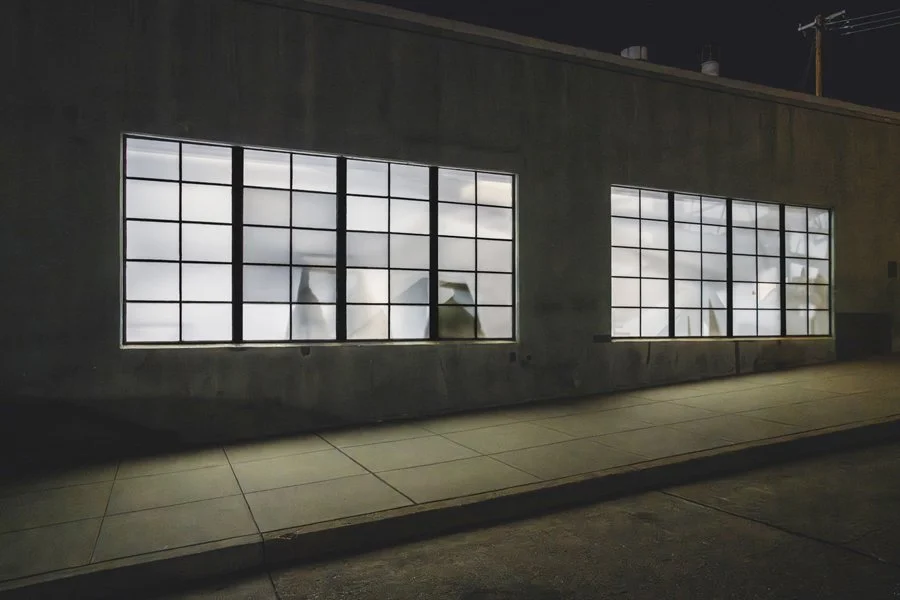
Twin Windows, San Francisco, 2025
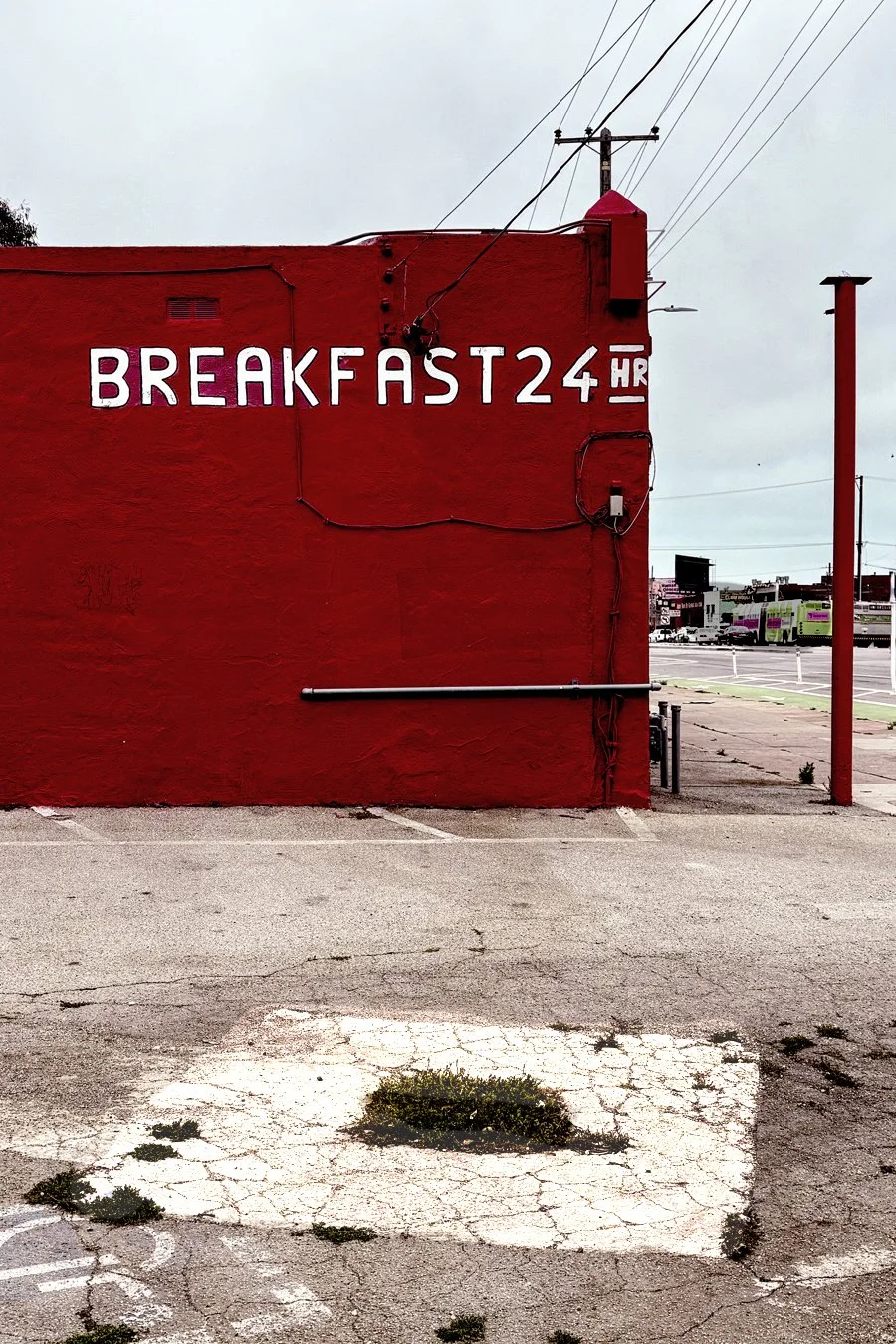
Breakfast 24, San Francisco, 2025
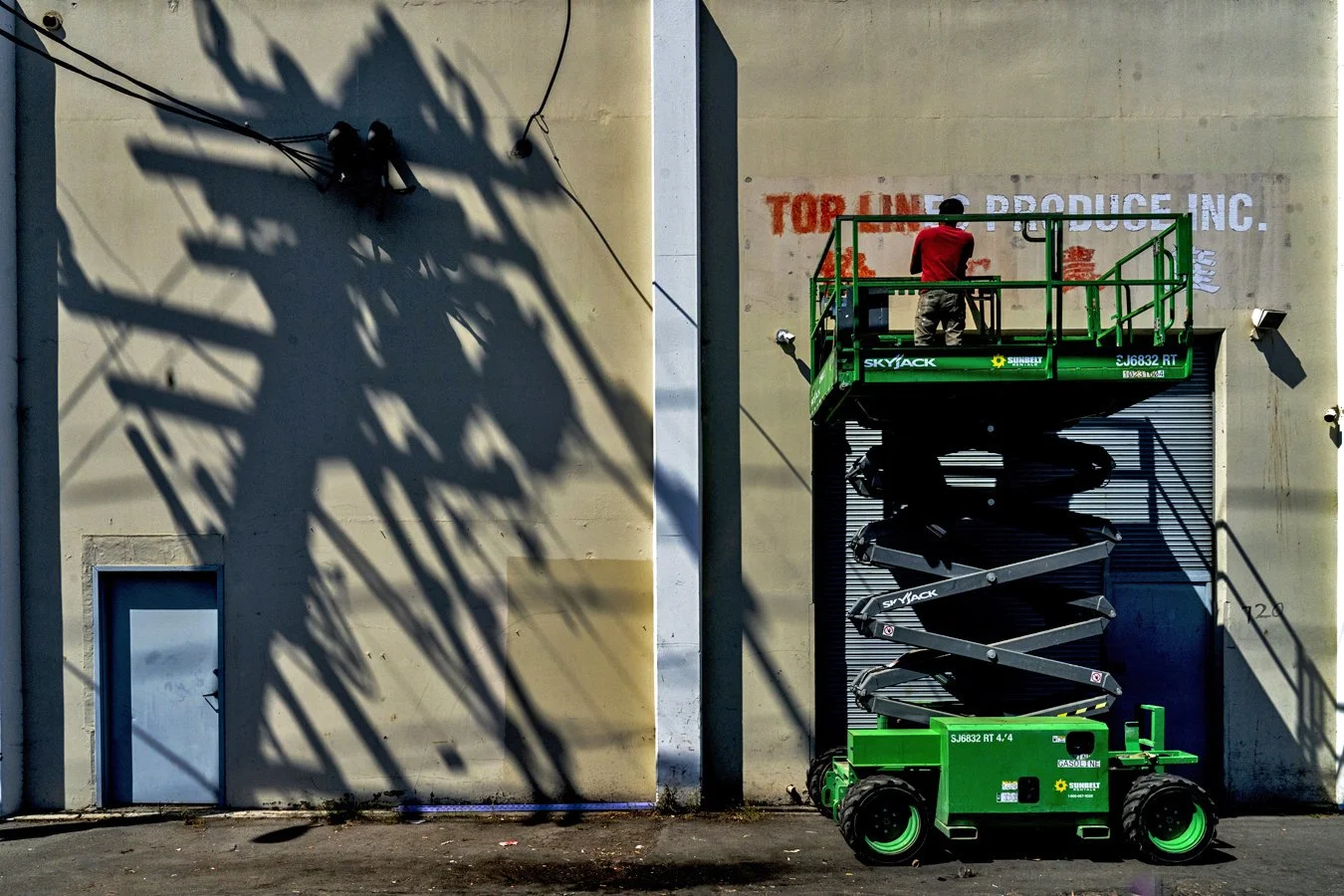
Topline, San Francisco, 2025

Danger, San Francisco, 2026
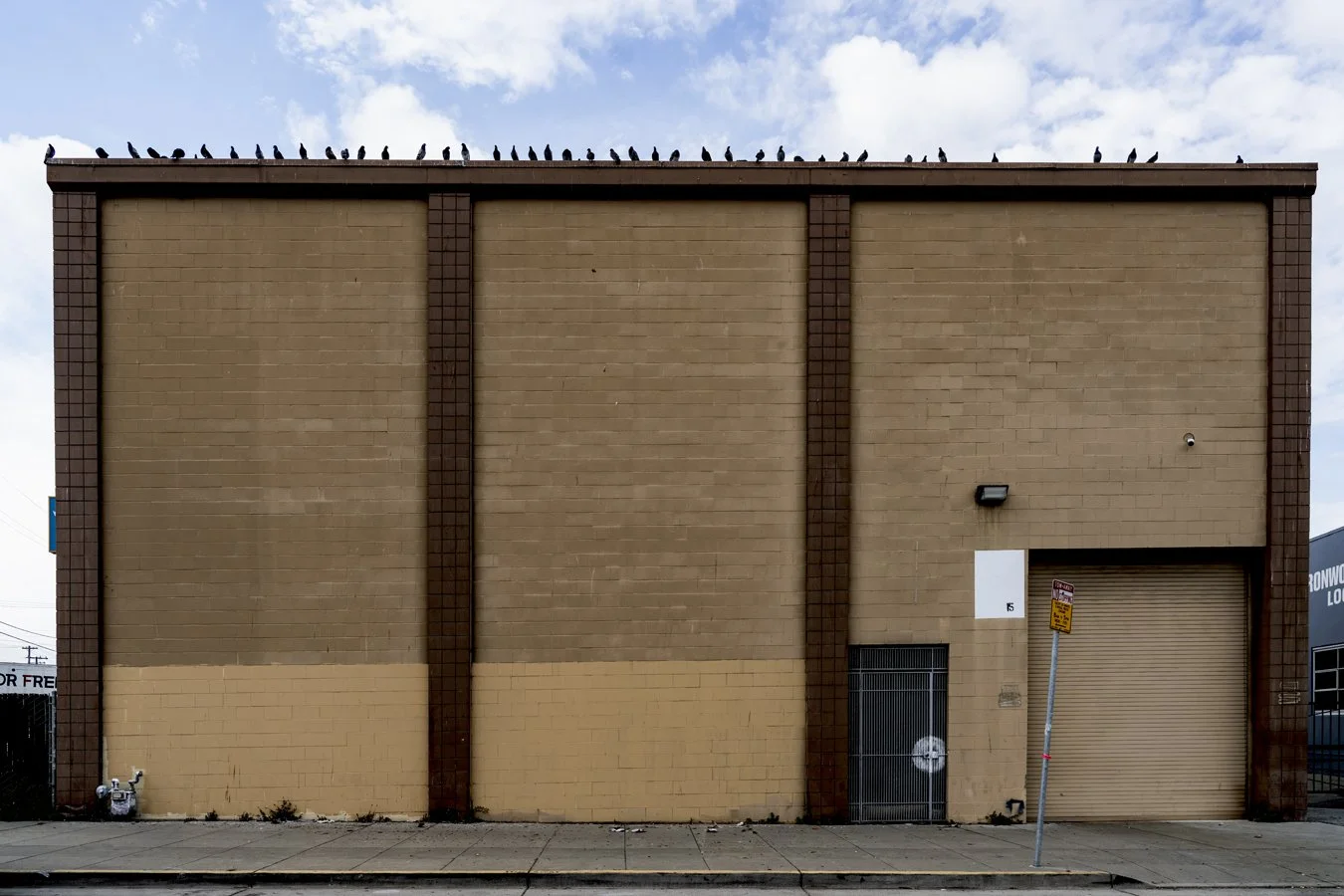
Building 15 with Birds, San Francisco, 2025
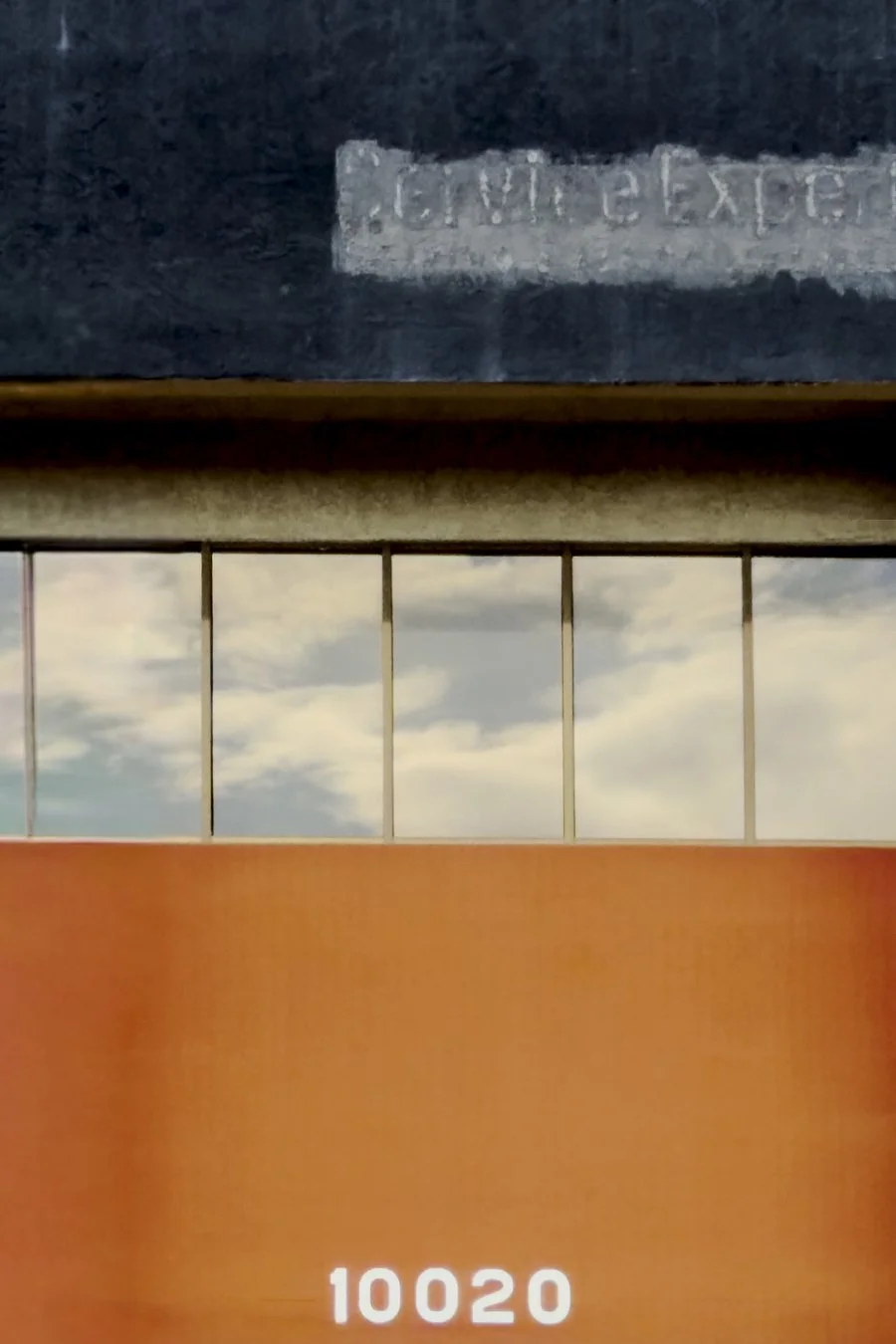
Service Experts, Phoenix, 2026
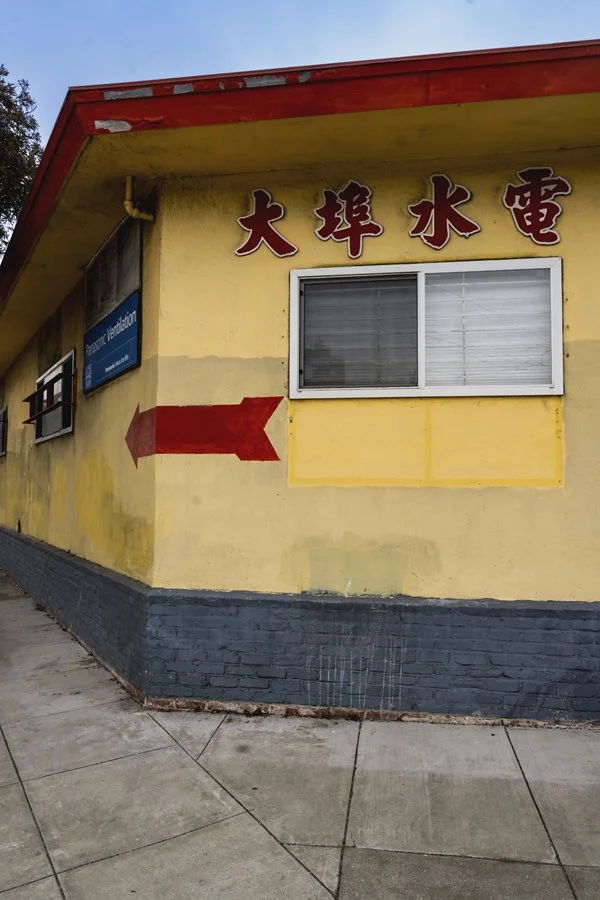
Red Arrow, San Francisco, 2025

Commercial Gate, Phoenix, 2026
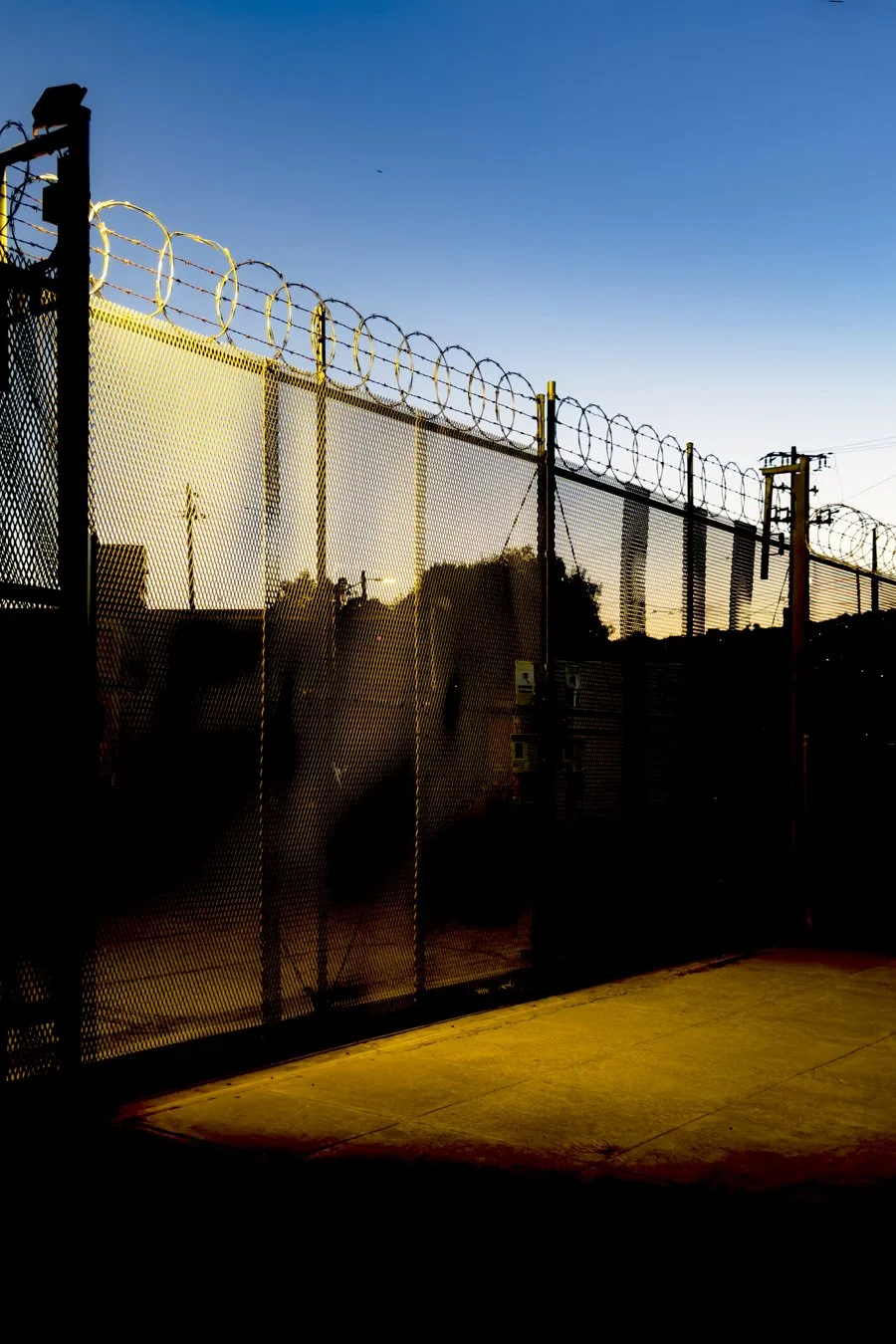
Razor Wire Gate, San Francisco, 2025
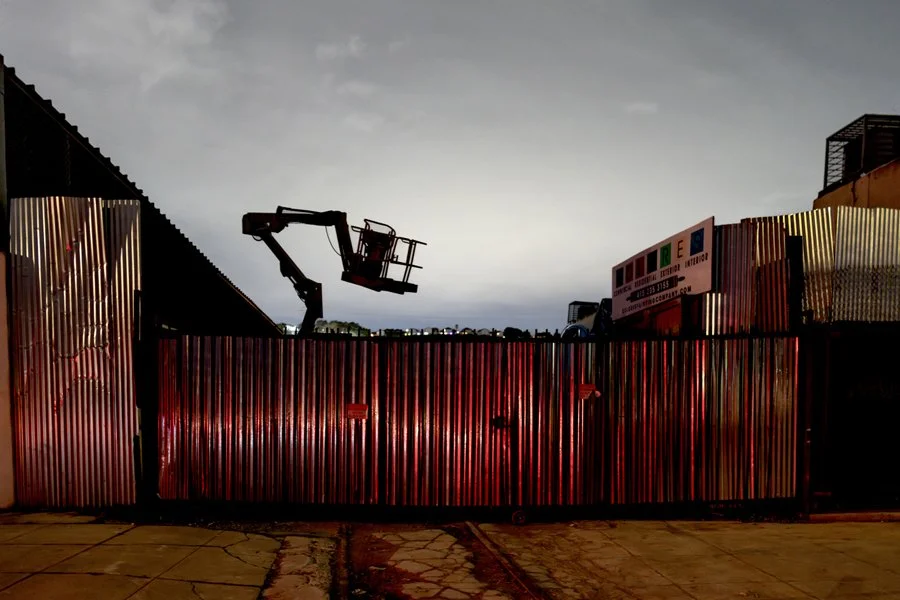
Red Perimeter, San Francisco, 2026
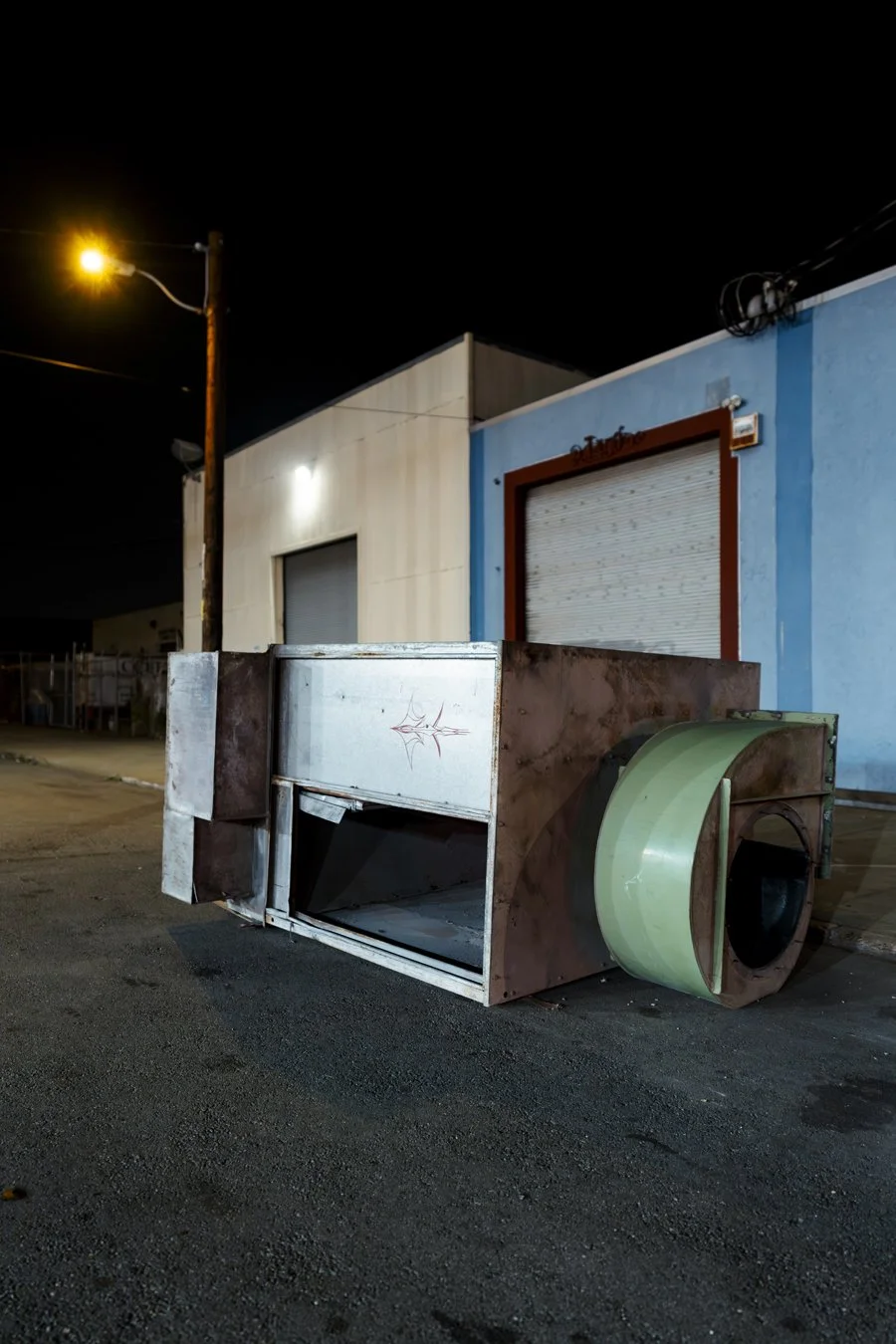
Discarded, San Francisco, 2025

Warehouse and Sideshow, San Francisco, 2025
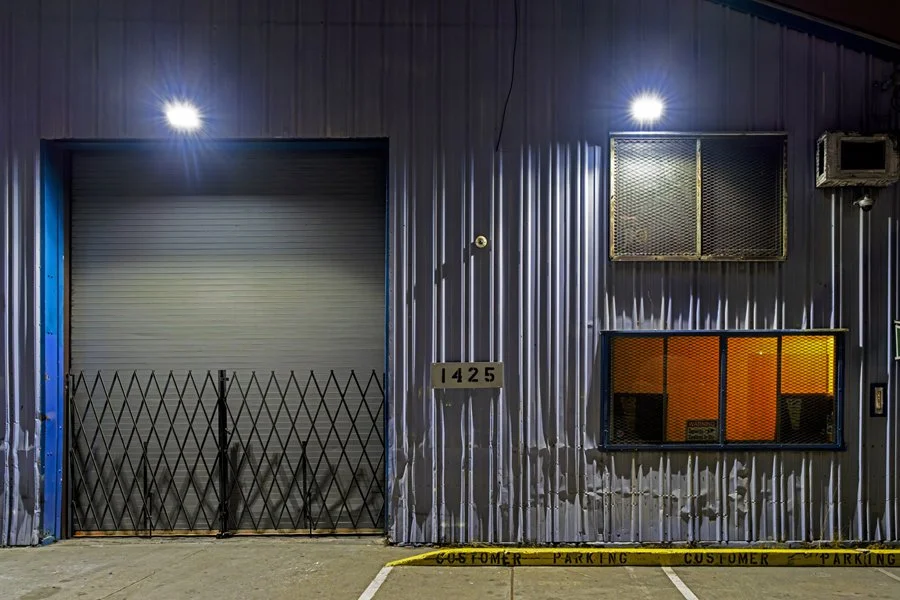
Orange Window, San Francisco, 2025
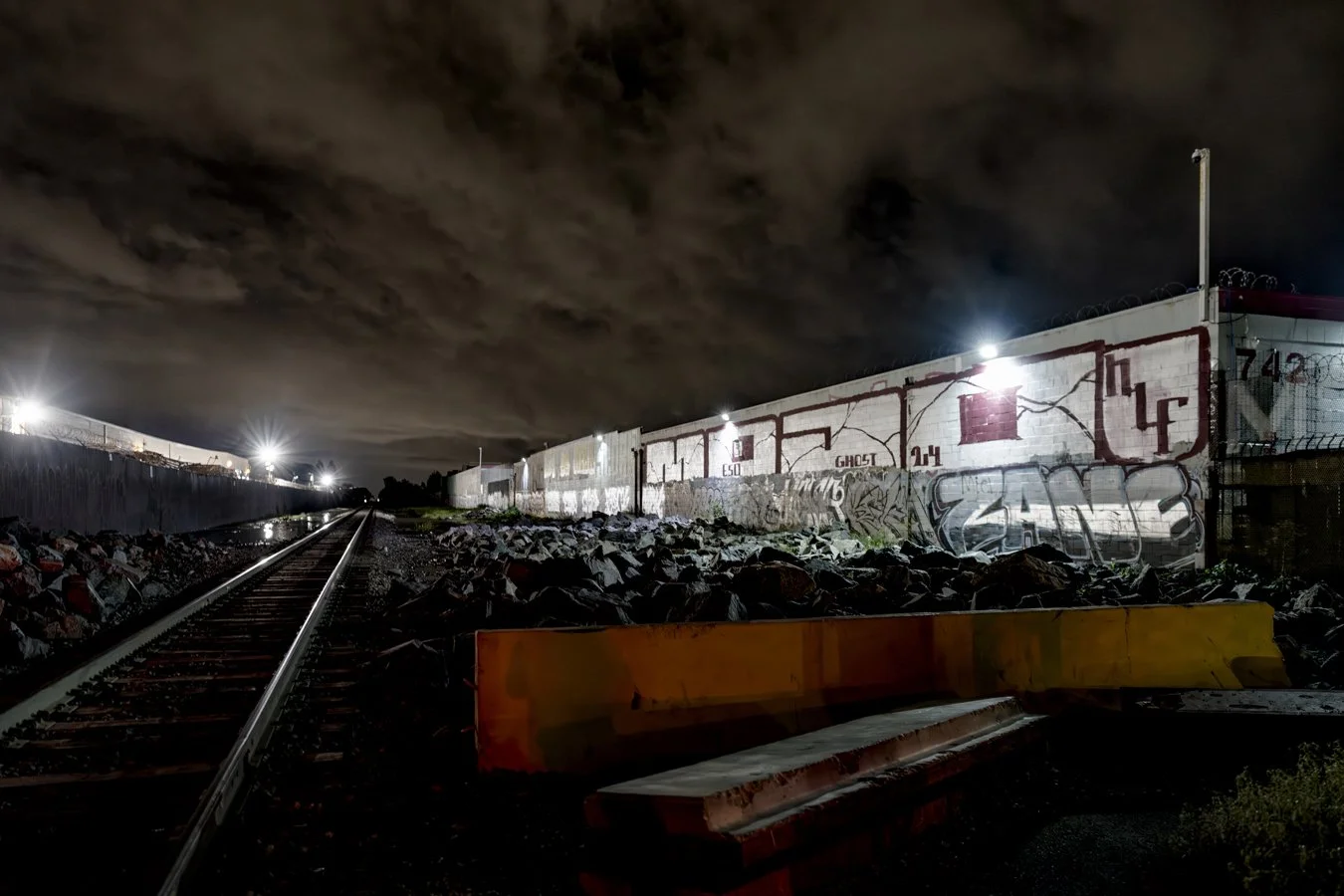
Rails and Rocks, Hayward, 2025
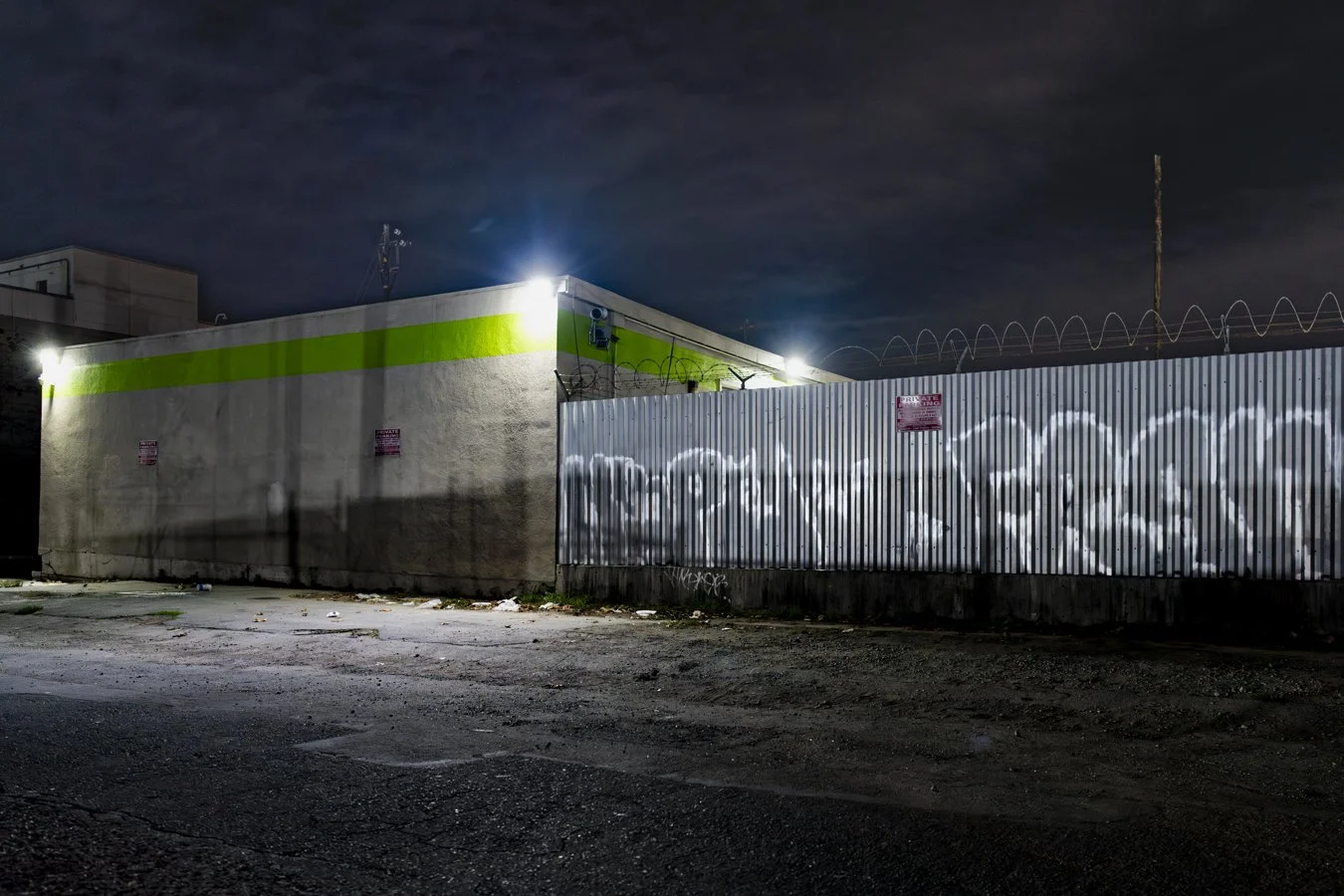
Green Stripe Building, San Francisco, 2025
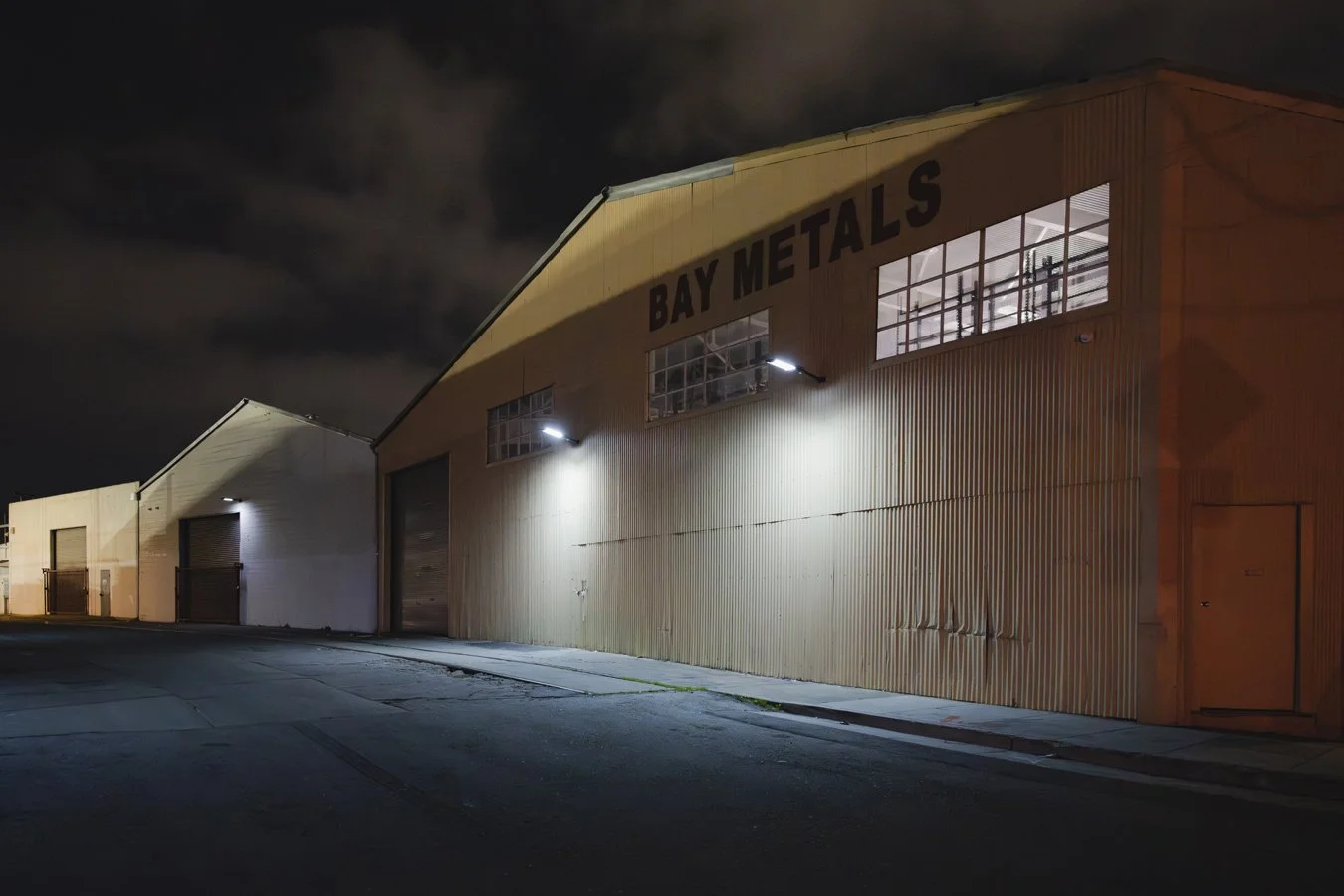
Bay Metals, San Francisco, 2025
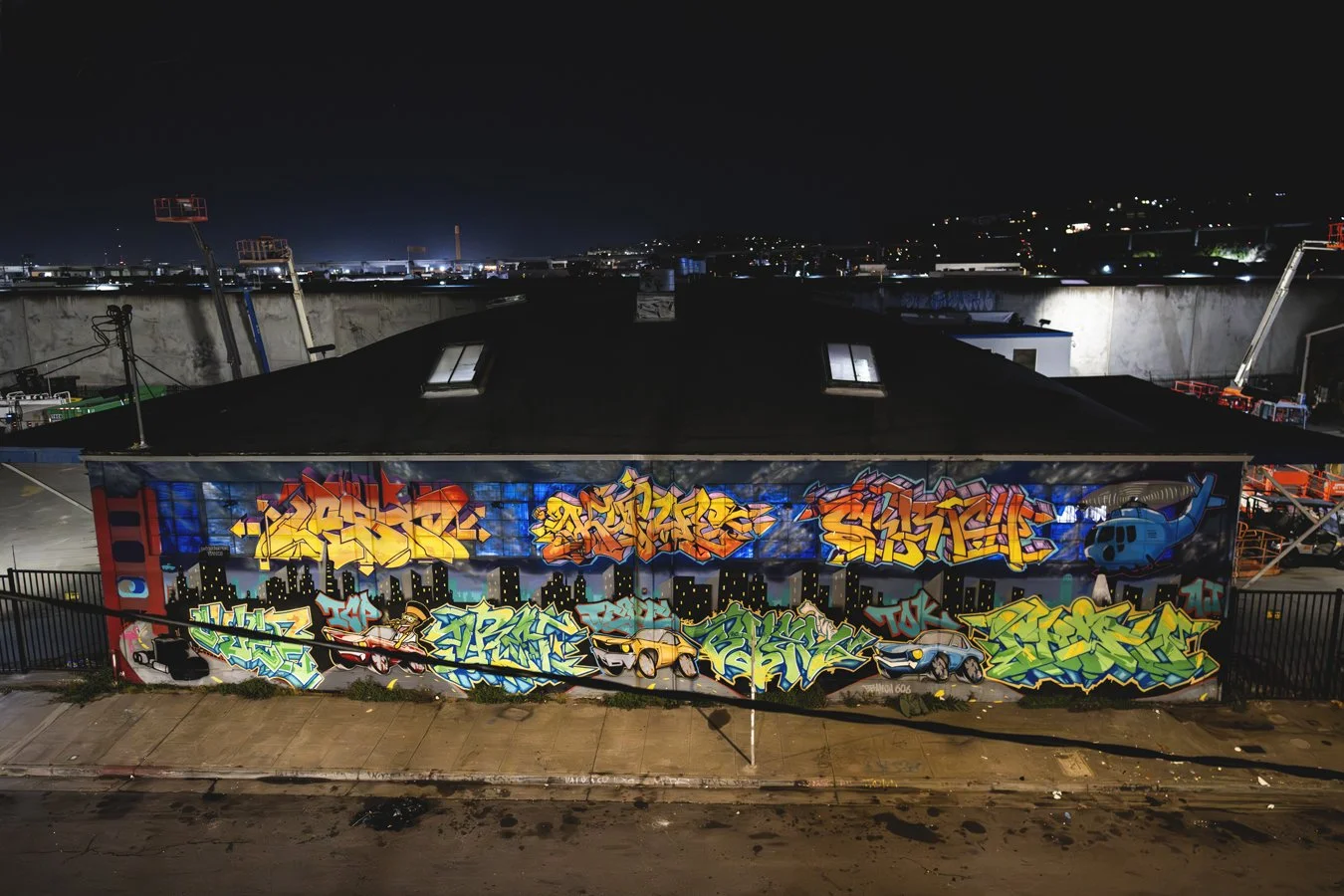
Night Mural, San Francisco, 2025
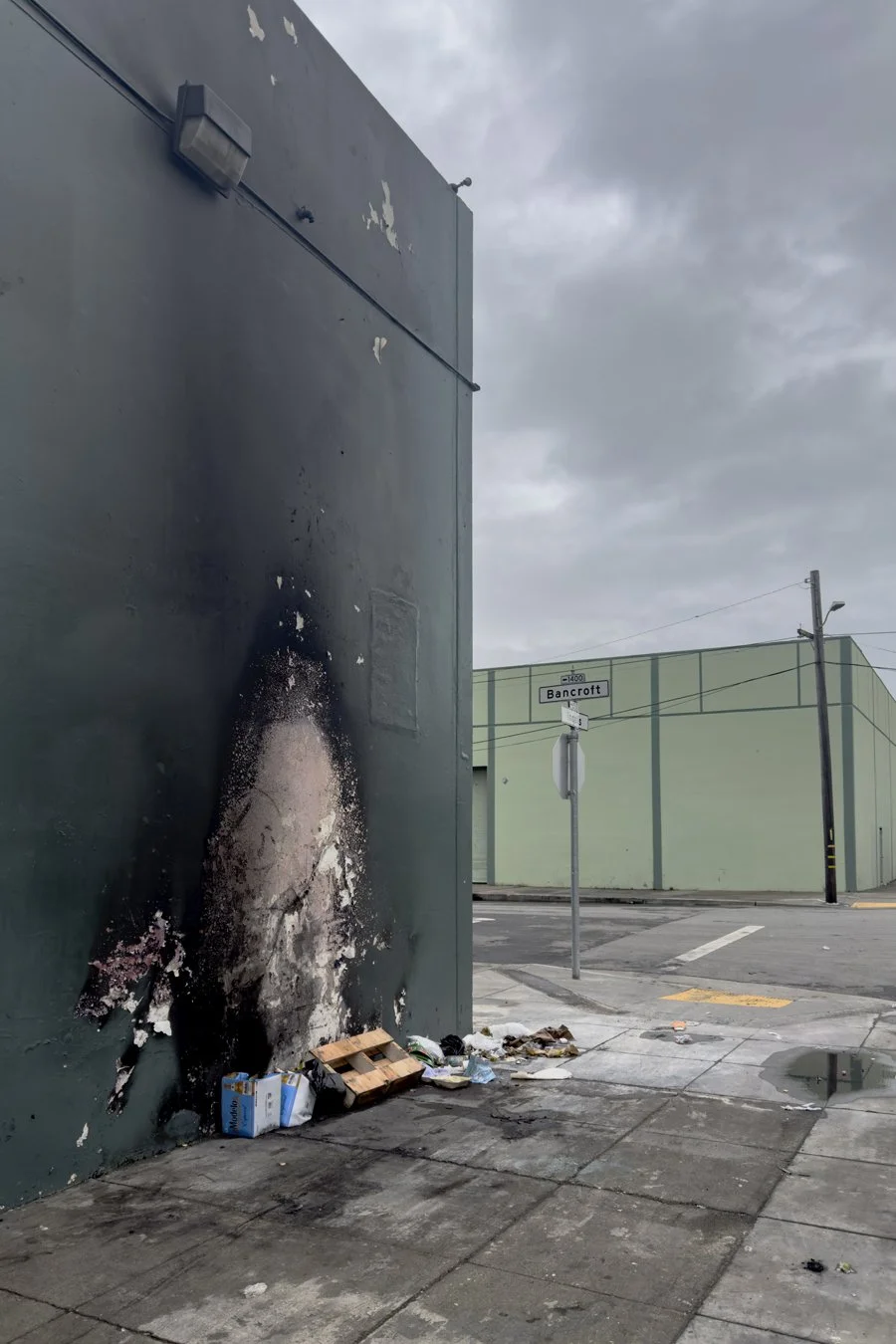
Firewall, San Francisco, 2025
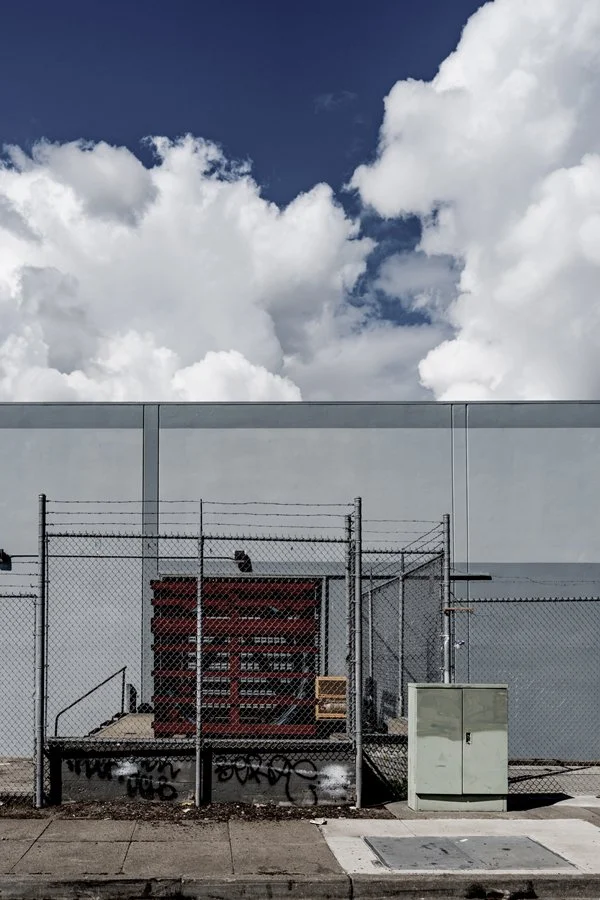
Cloud Cover, San Francisco, 2026
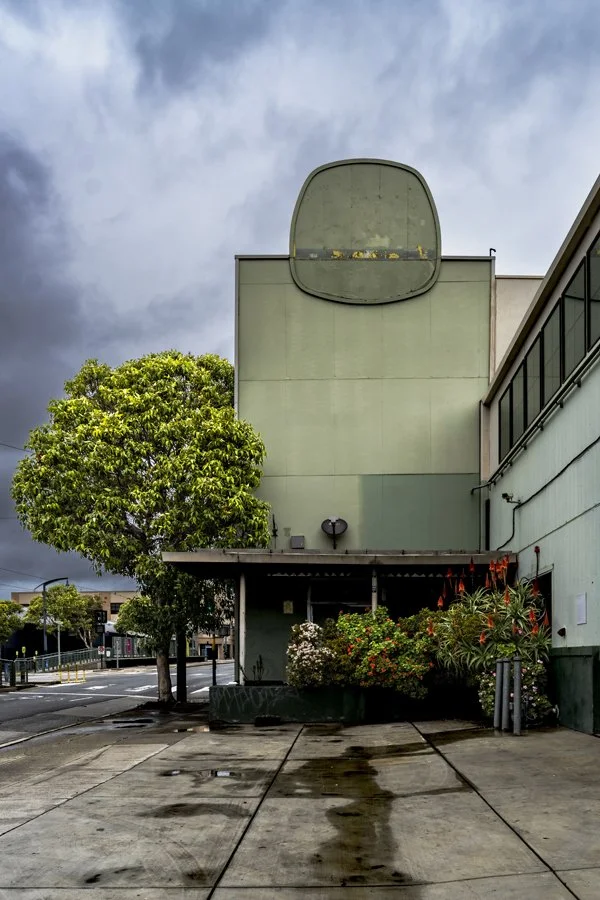
After Rain, San Francisco, 2025
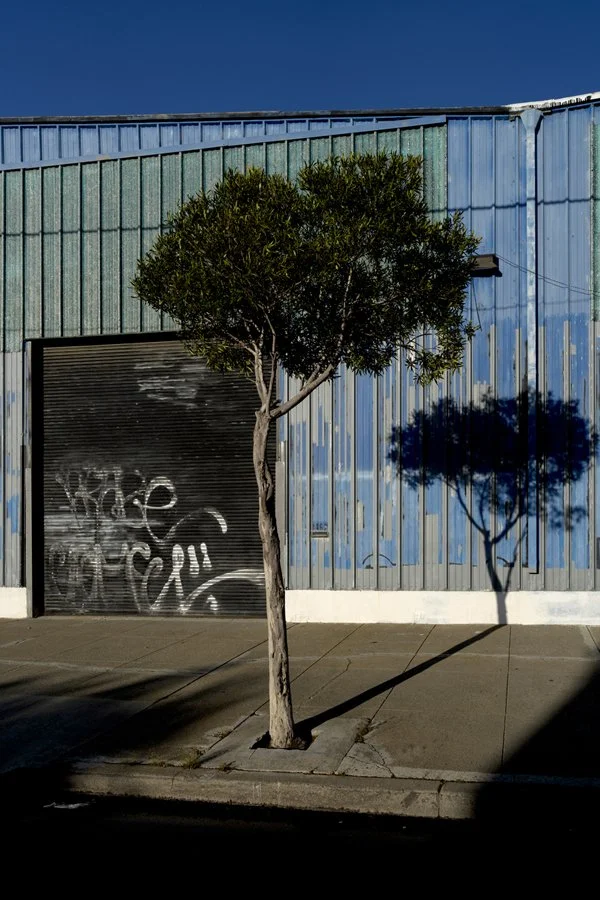
Afternoon Shadow, San Francisco, 2025
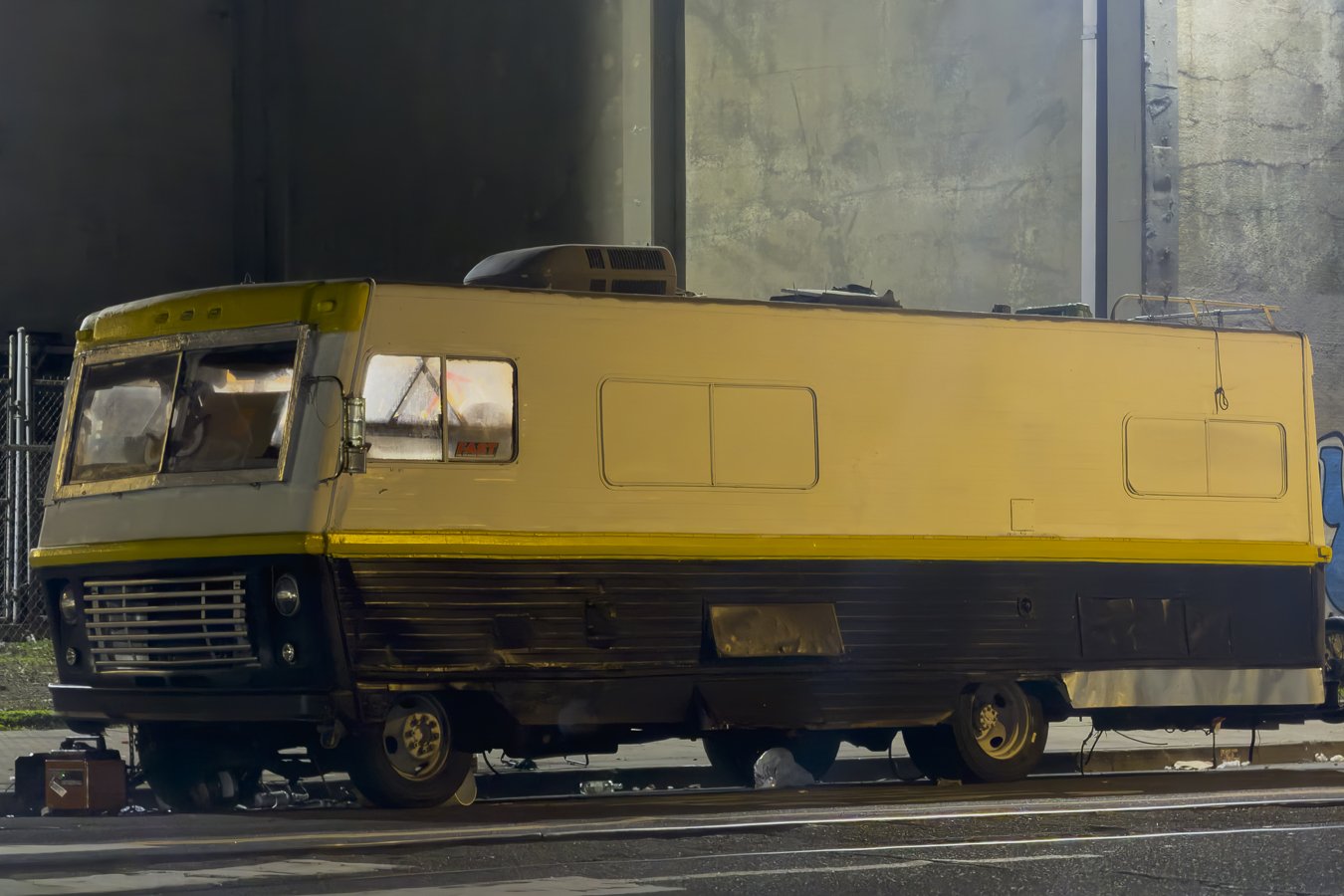
Immobile Housing, San Francisco, 2025

Lower Pole, San Francisco, 2025
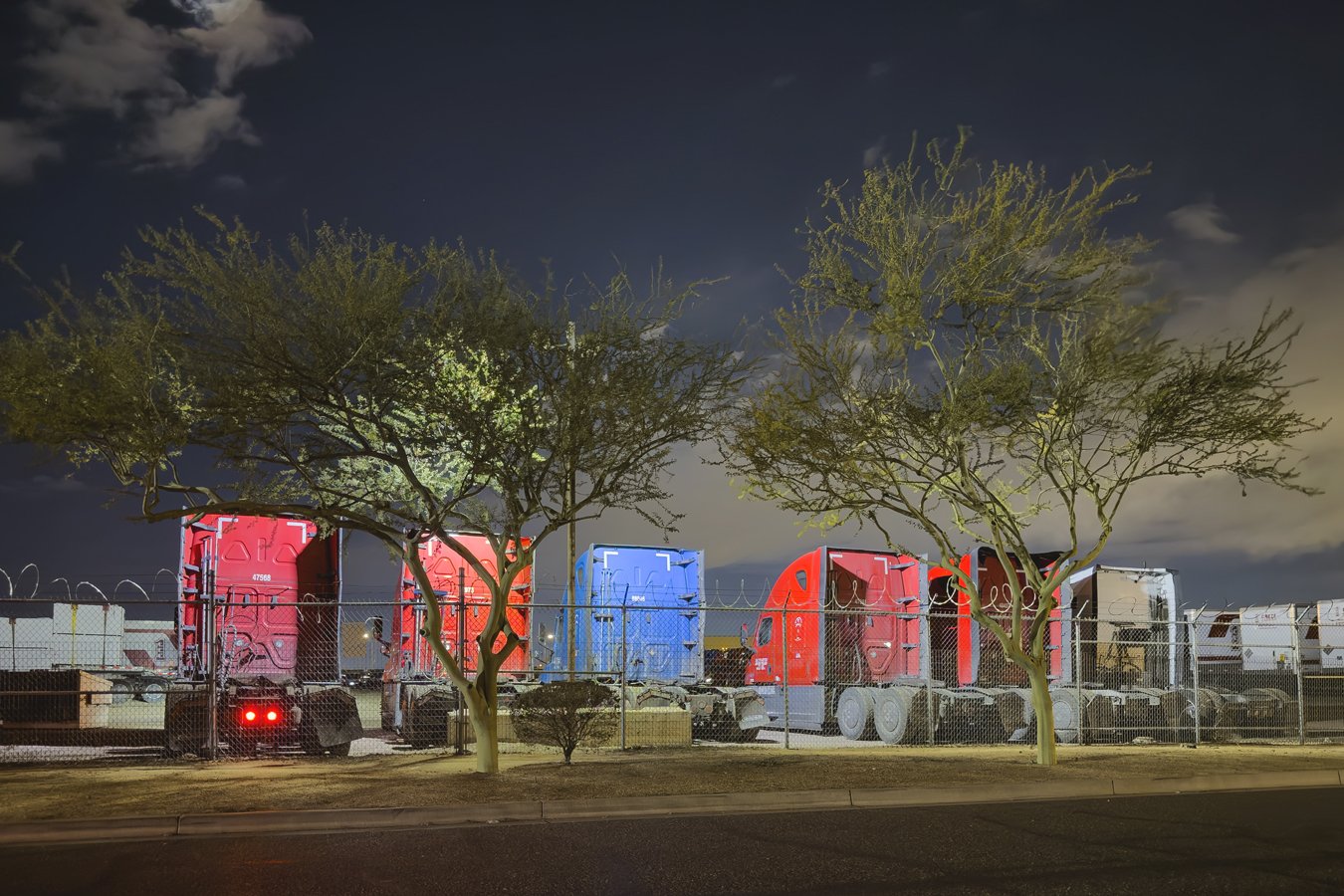
Five Cabs, Phoenix, 2026
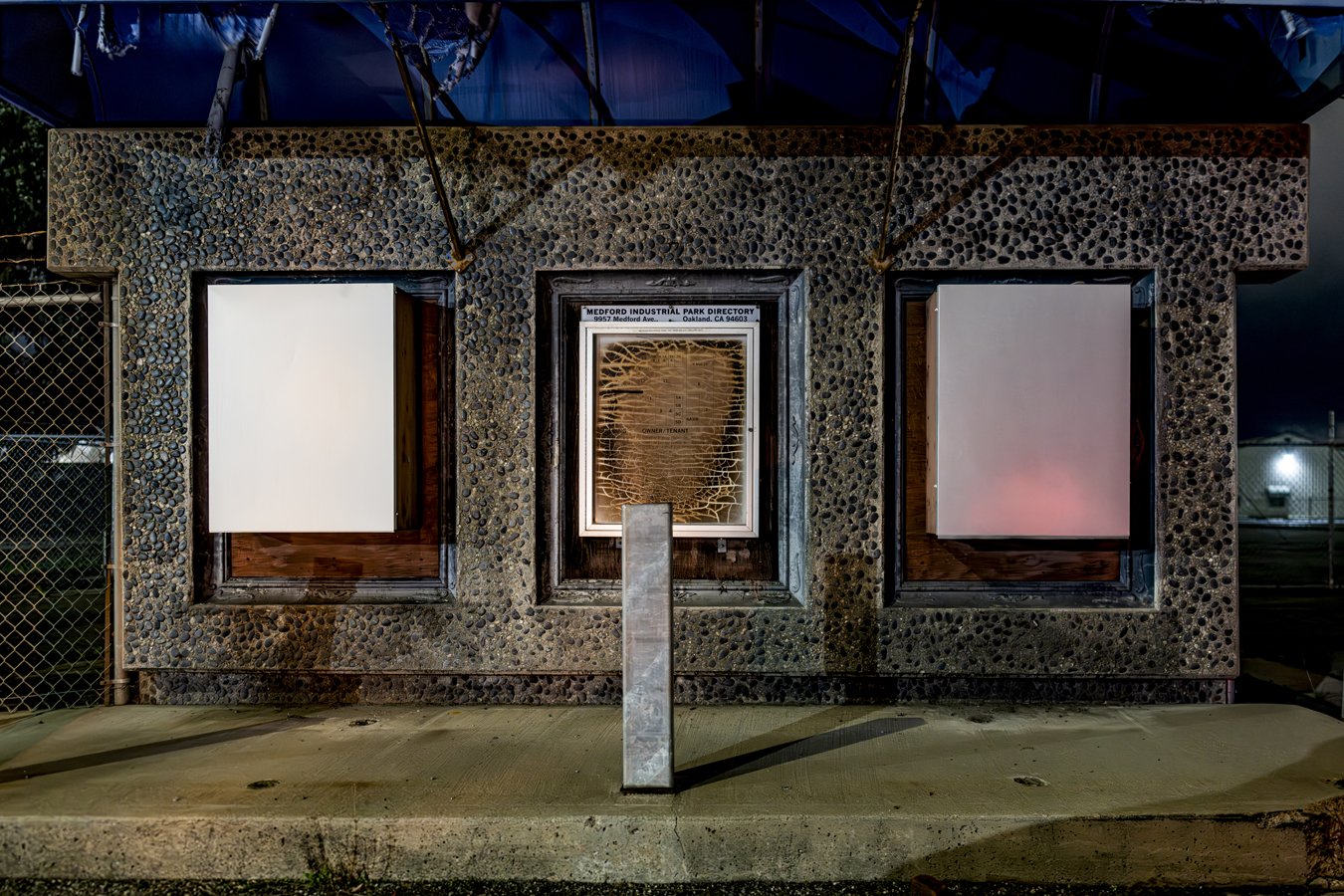
Three Panels, Oakland, 2025
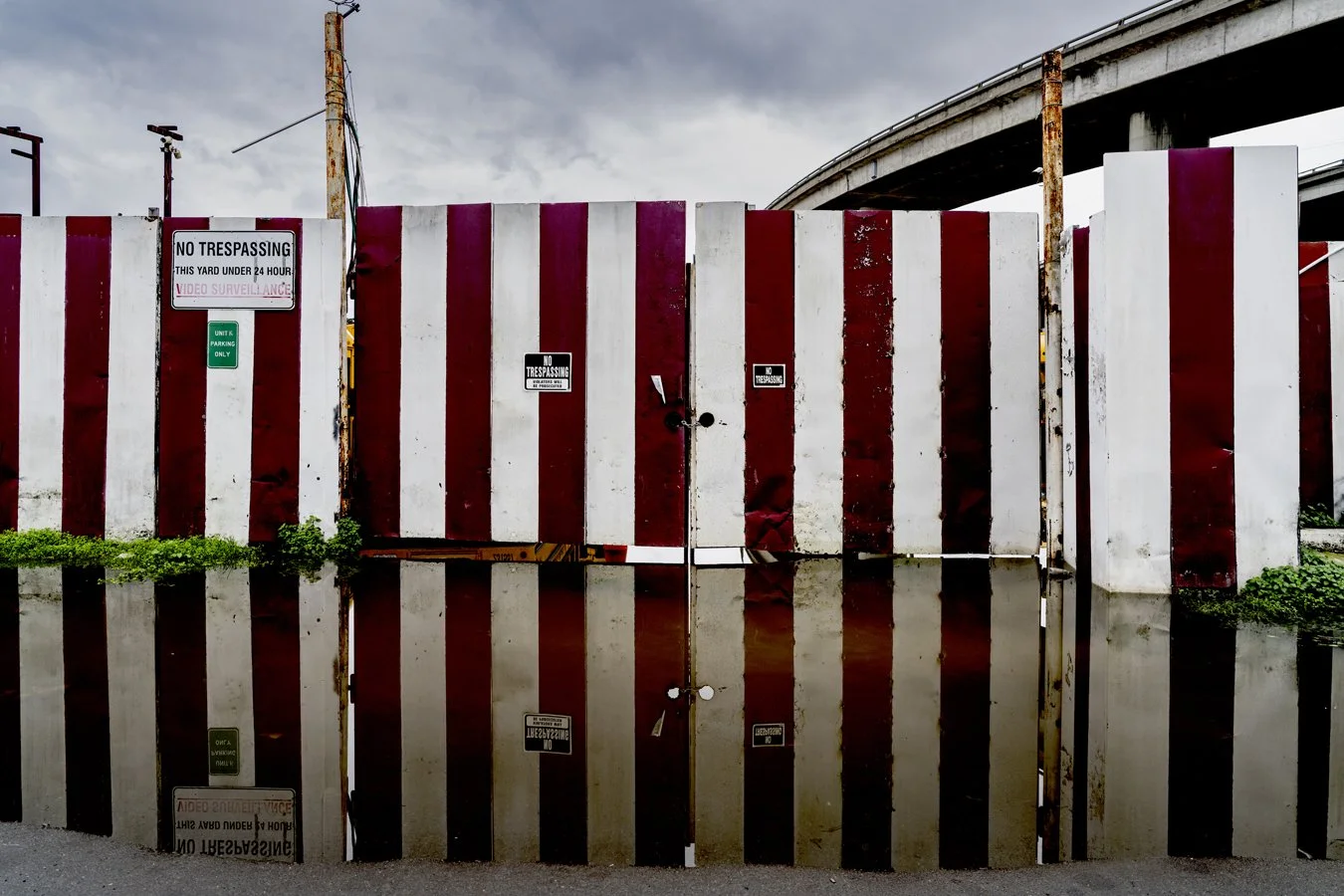
Red and White Fence, San Francisco, 2025
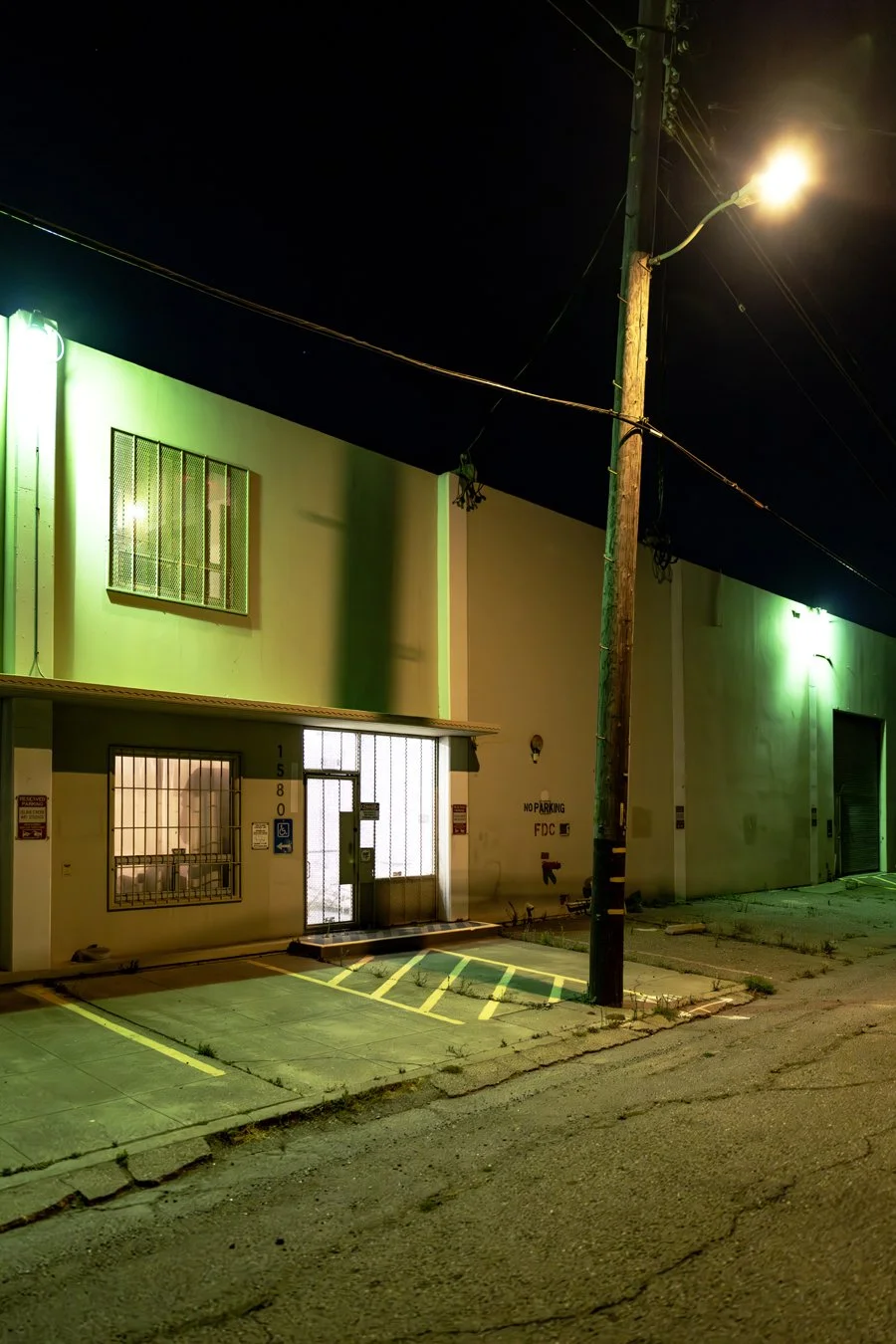
NIght Light, San Francisco, 2025
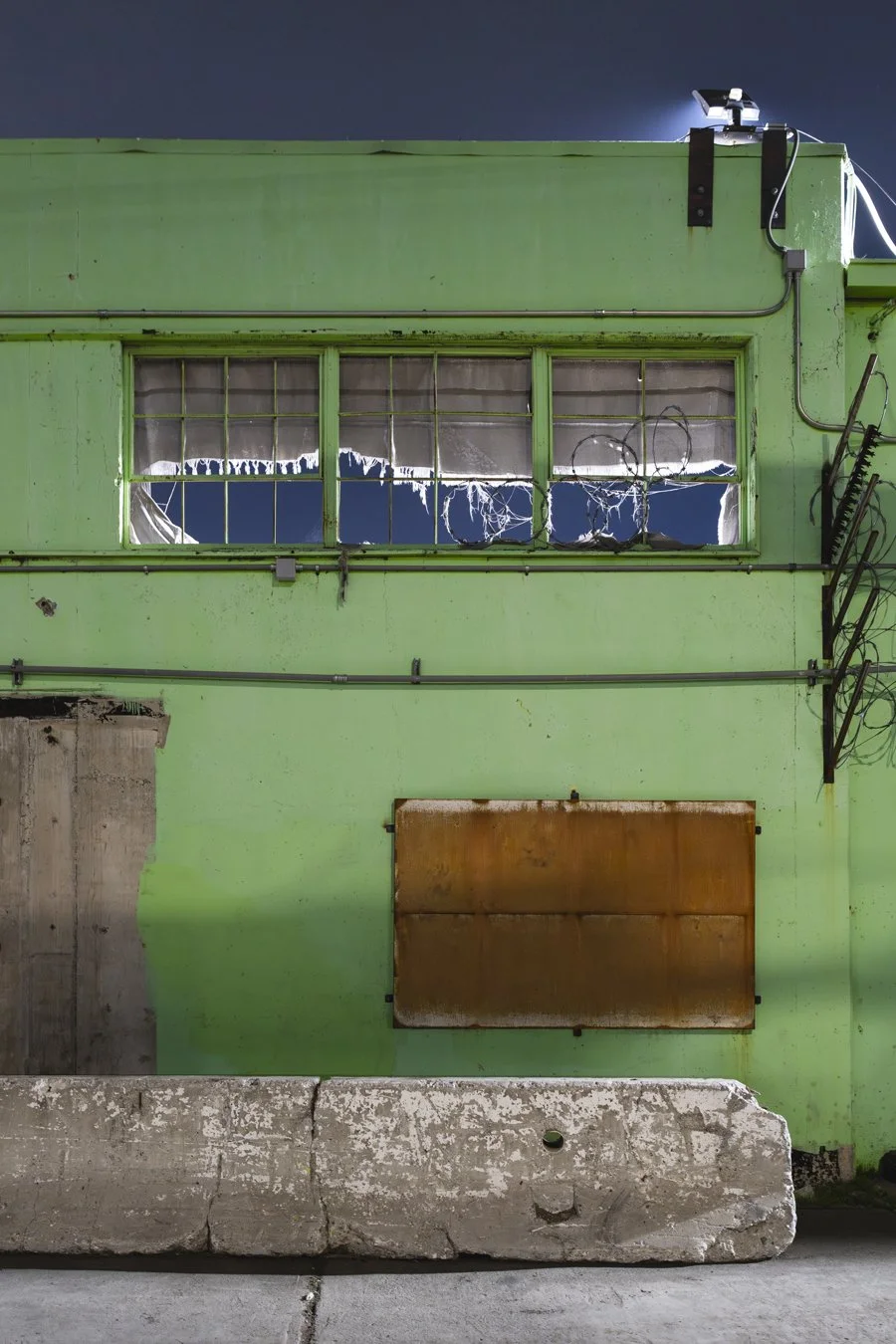
Paneless, Oakland, 2025

Privacy Windows, San Francisco, 2026
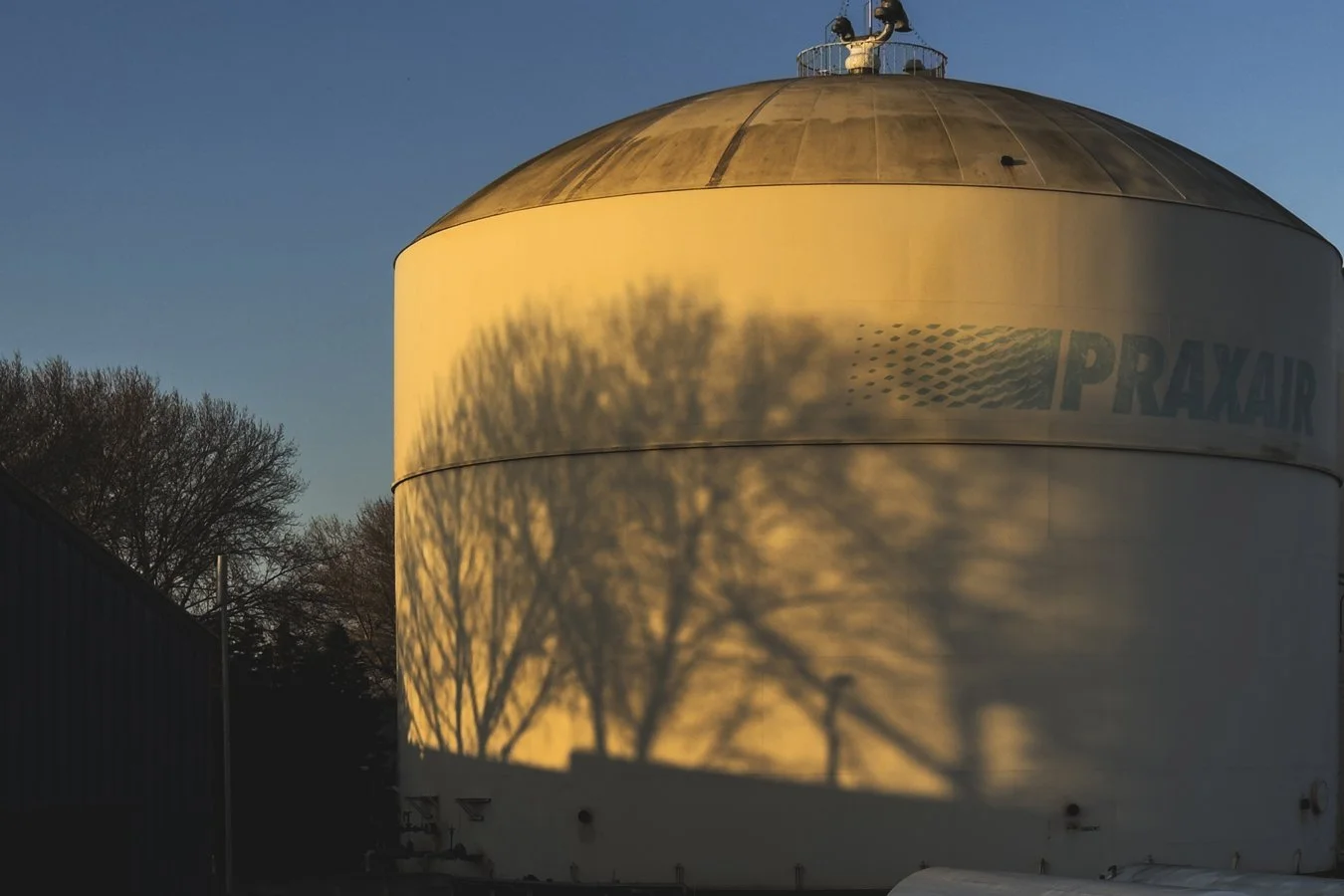
Shadow Tank, Pittsburg (CA), 2026
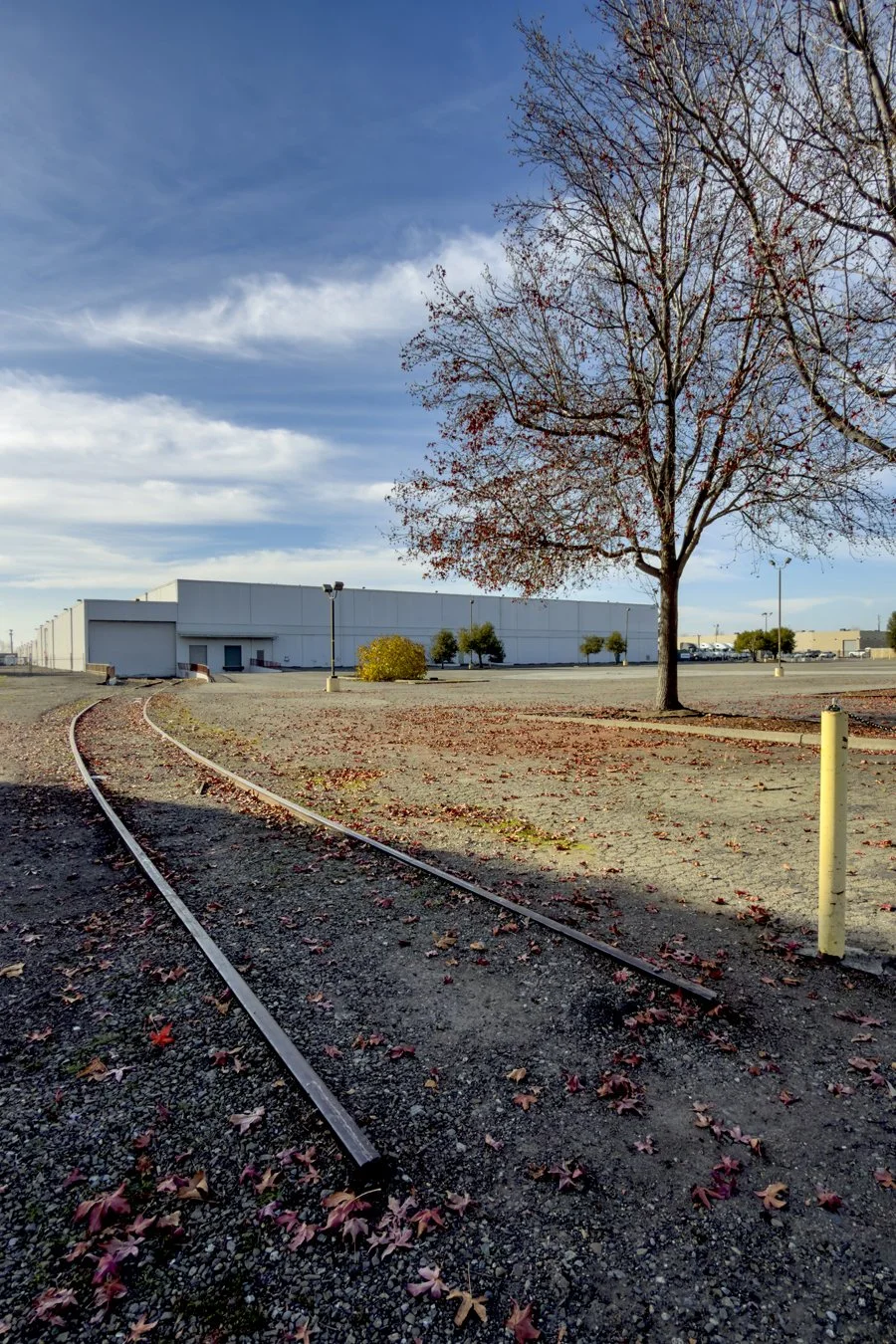
Empty Track, Oakland, 2025
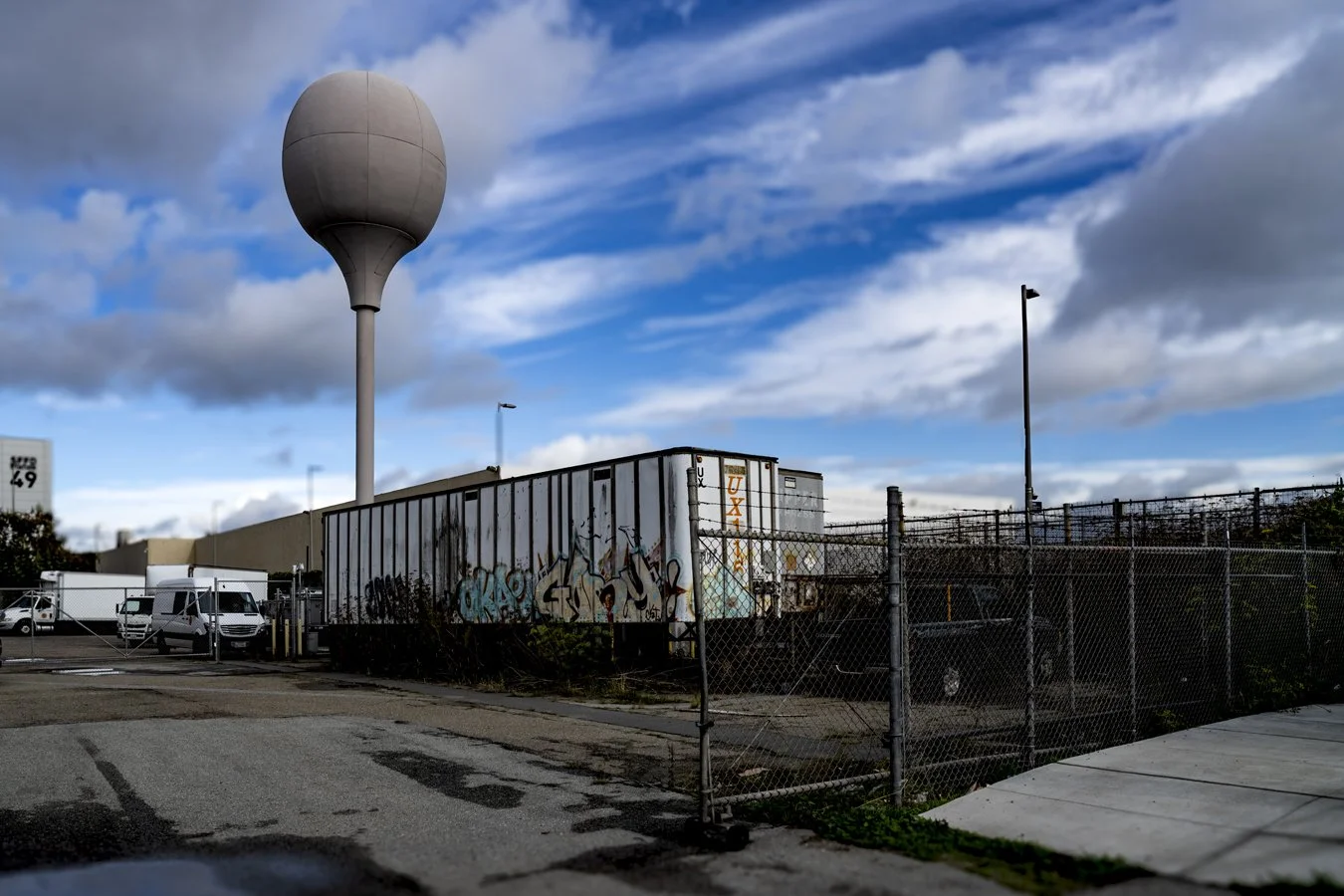
Orb Yard, San Francisco, 2025
About this series:
Soon after dark, San Francisco’s Bayshore industrial area becomes a stern, moody place. The workers leave; the floodlights and security cameras switch on; the roll-up doors and concertina-wire gates close, leaving the trucks, forklifts, and buses parked in silent yards. What remains are the mostly anonymous and forgettable concrete and corrugated-steel structures casting back a fundamental indifference to the people who work there or pass by them.
This documentary series began there, in those twilight hours, within that indifference.
Yet, this project is also personal. As a child, my family moved from Los Angeles to California’s Central Valley, where my dad opened a large industrial laundry in a new industrial park. I ran around in spaces much like these — amid the loading docks, giant washing machines, chlorinated solvents and industrial perfumes, and workers clad in the company overalls. Now the Bayshore is nearby, but it’s a much different world.
In a typical American commercial space, such as a vast shopping mall, people matter. Bold illuminated signage, perfect parking lots, and shiny store windows invite customers to come inside. The industrial parks are their anonymous counterpoint, the coarse backroom of the modern service economy. Bayshore, part of San Francisco’s Bayview district, is a microcosm of a modern industrial park, yet it lacks enormous automated warehouses that range from half a million to one million square feet. Old or new, Industrial parks share a similar “non-place” vibe, as seen in the images captured in other parts of Northern California and Arizona.
This series marks the culmination of more than eight months of photographic explorations and a personal reckoning with our shared tendency to marginalize, overlook, and misunderstand the largely anonymous world that quietly sustains us.
— Rusty Weston, March 2026